Ceramic Slurry Pump
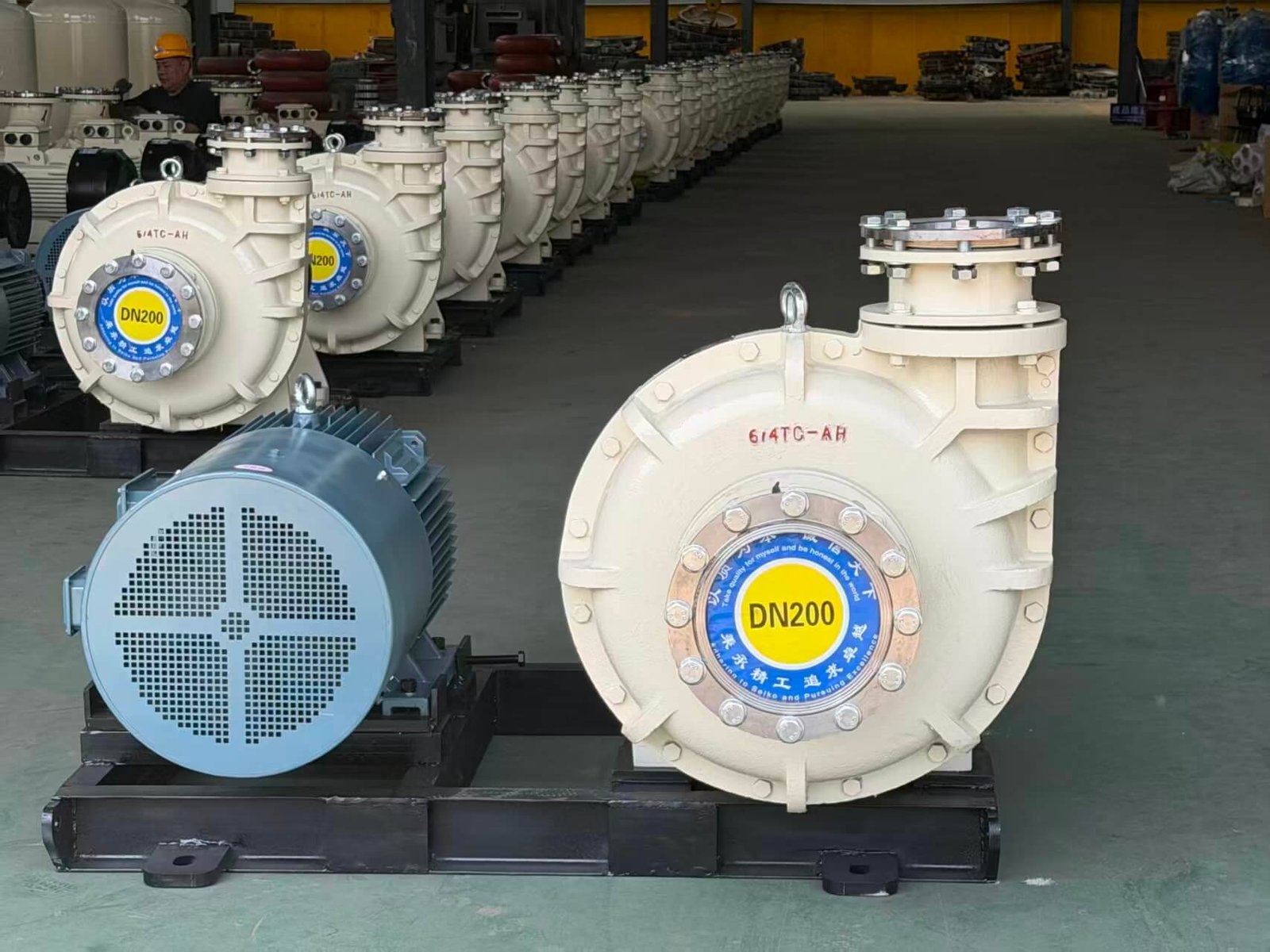
Ceramic slurry pumps are specialized industrial pumps designed for conveying highly abrasive and corrosive media. They overcome the limitations of traditional metal or ordinary rubber-lined pumps by applying advanced structural ceramic materials to the flow components, fundamentally solving industry pain points such as short pump life and rapid efficiency decline under highly abrasive conditions. They are an ideal choice for harsh operating conditions in mining, power, chemical, and environmental protection fields.
Project Highlights
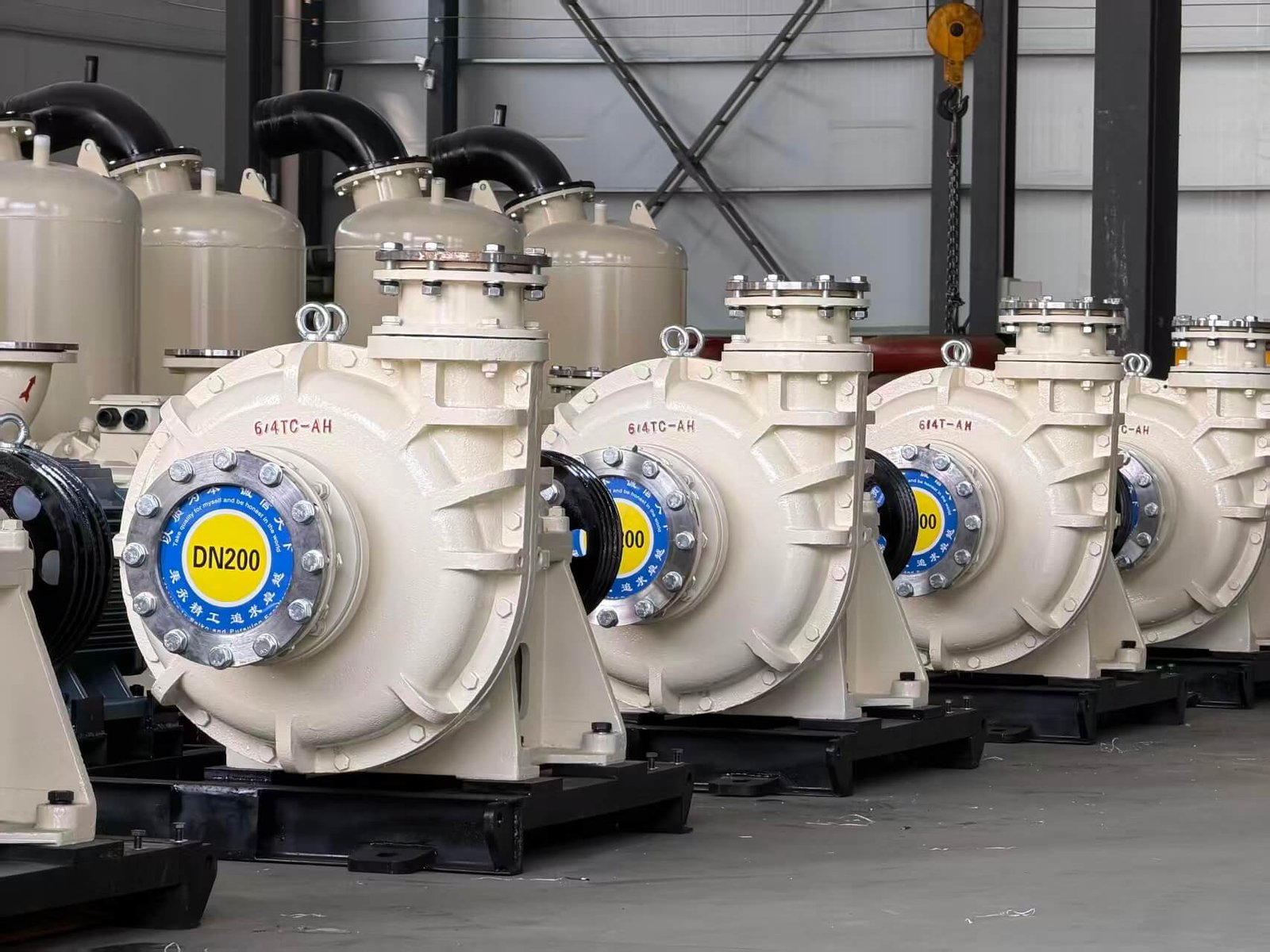
- Superior Wear Resistance: Flow components are made of high-performance industrial ceramics (such as alumina, silicon carbide, or toughened composite ceramics). Their hardness is second only to diamond and far exceeds that of high-chromium alloys.
- Excellent Corrosion Resistance: Ceramic materials have extremely high chemical inertness, resisting corrosion from most acid, alkali, and salt solutions .
- Smooth Surface, High Efficiency: The extremely smooth ceramic surface results in a low coefficient of friction. This not only reduces fluid resistance and improves pump efficiency.
- Lightweight Design: Although ceramics have a higher density, optimized structural design often results in a lower overall weight compared to heavy metal pumps of equivalent wear resistance, reducing bearing load and extending the service life of mechanical seals and bearings.
- Multiple Structural Forms: Depending on the operating conditions, all-ceramic flow components or a composite structure of “metal matrix + ceramic lining” can be provided. The composite structure ensures the mechanical strength of the pump body while utilizing the wear and corrosion resistance of ceramics, balancing safety and economy.
Typical Application Scenarios


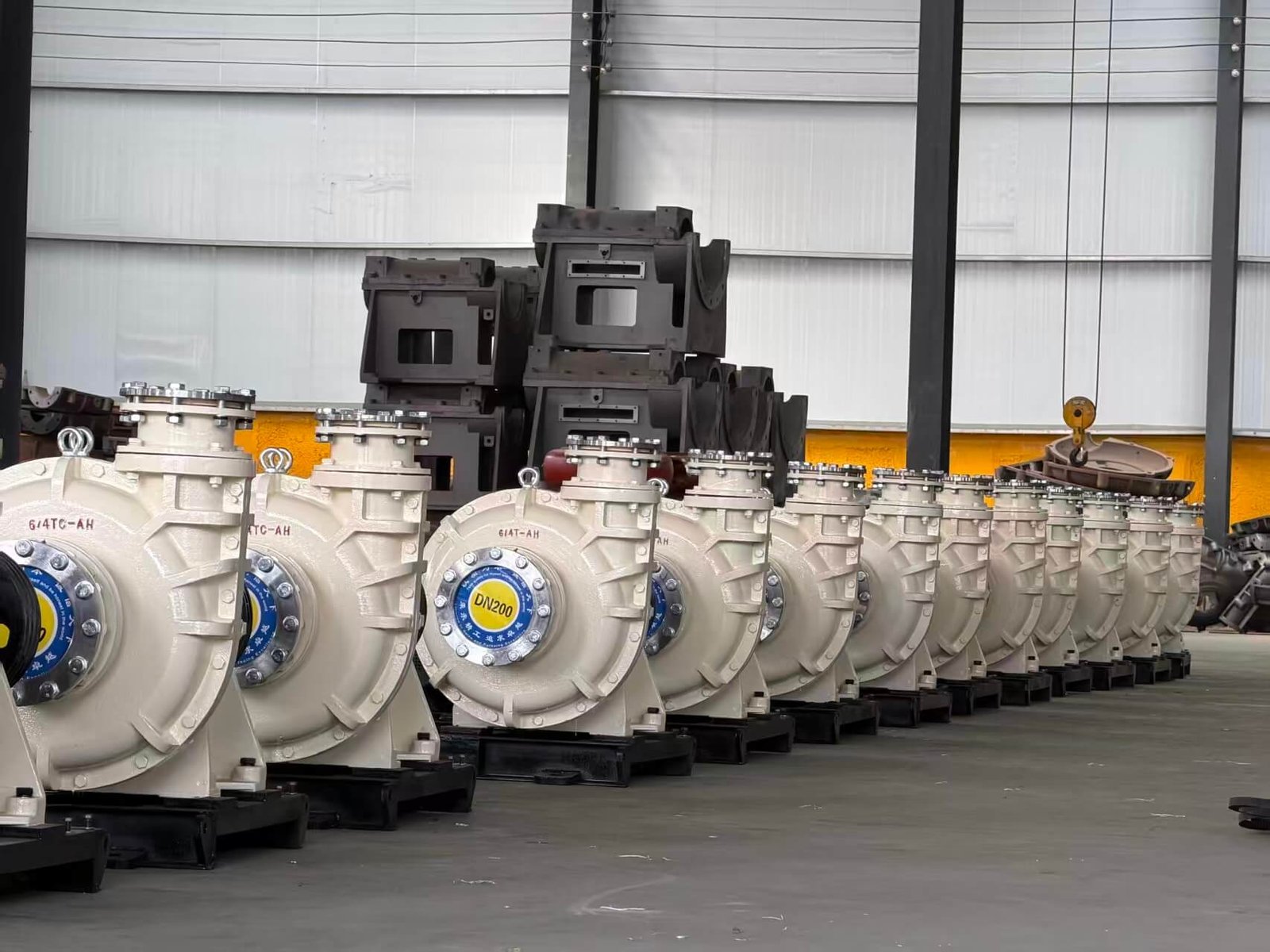
Due to its unique material advantages, ceramic slurry pumps are widely used in the following extreme operating conditions:
- Mining and Mineral Processing: Tailings conveying, concentrate slurry, flotation reagent conveying (especially slurries containing acidic or alkaline media).
- Power Industry: Limestone slurry circulation pumps and gypsum discharge pumps in flue gas desulfurization systems (solving the dual problems of chloride ion corrosion and wear).
- Coal Chemical and Petroleum Industries: Coal-water slurry transportation, oil-sand separation, and catalyst particle transportation.
Selection Considerations
Although ceramic pumps have excellent performance, the following points should be noted to ensure optimal results:
- Avoid thermal shock: Ceramic materials have relatively weak thermal shock resistance. Avoid subjecting the pump to drastic temperature changes in a very short time (such as sudden introduction of high-temperature media or rinsing the pump body with cold water).
- Anti-cavitation protection: Although ceramics have high hardness, they are also brittle. Severe cavitation can cause ceramic surface peeling; therefore, it is essential to ensure that the effective net positive suction head (NPSH) of the system is greater than the required NPSH of the pump.
- Dry running is strictly prohibited: The instantaneous high temperature generated by dry friction can easily cause ceramic parts to crack. Before starting, ensure the pump chamber is completely filled with liquid.
- Particle size limitation: Although wear-resistant, for oversized particles (exceeding 13mm in flow channel width) or long fibrous impurities, a filter must still be installed at the front end to prevent impeller jamming and breakage.